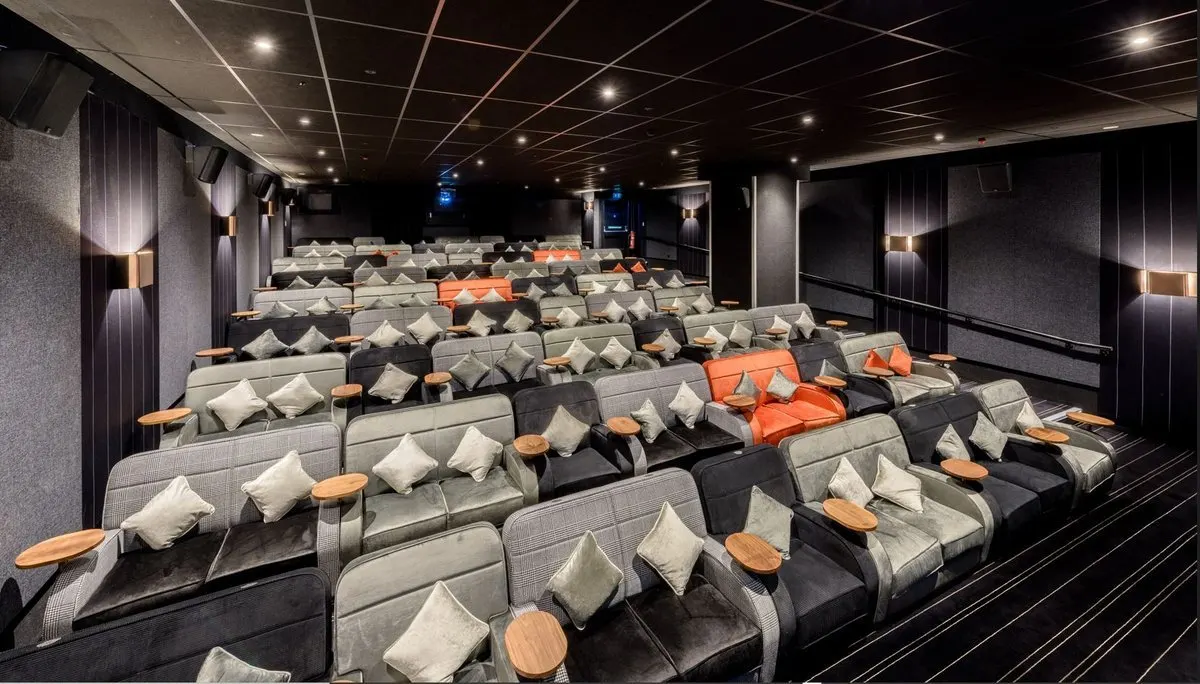
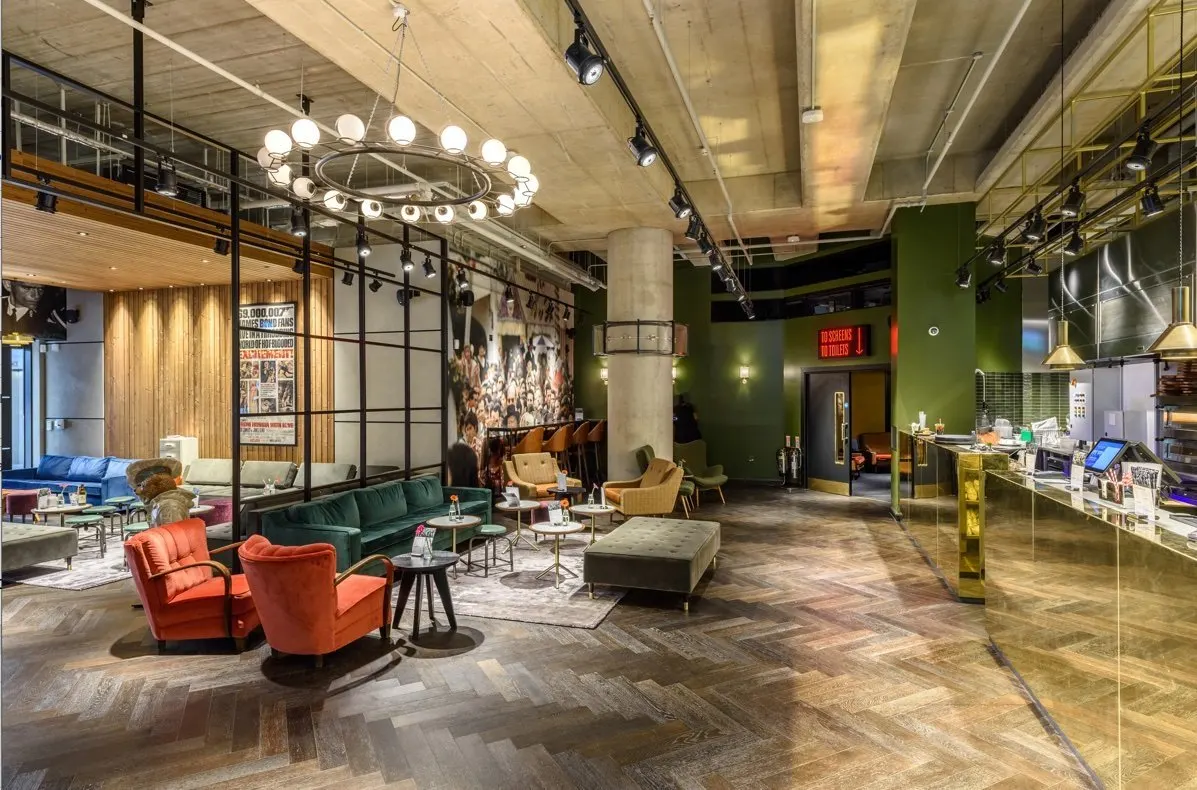
SREday is a worldwide series of community events for engineers who build, ship and run modern software systems. Across cities around the world, we bring together people working in reliability, cloud, DevOps, observability and production engineering to share real-world experience, connect with their local community and explore how these disciplines are evolving in the age of AI.
Crossrail Place,
Canary Wharf,
E14 5AR, London, UK
Level -2
Tube access
Jubilee, Elizabeth and DLR lines: Canary Wharf station
Sponsors & Partners
Want to become a sponsor? Get in touch!
Maureese Williams
Google
What Did Your Agent Actually Do? Evidence Beyond the Transcript
Abstract
An agent transcript tells you what the model said. It doesn't prove that a file changed, a test passed or an action was allowed. When an agent takes several steps across tools, that gap makes debugging and incident review much harder. This talk follows a coding task through LEDGER, an experimental open source harness I built to keep model output separate from observed state. We'll look at the checks that turn tool results into state, the gates that control execution, and the recorded inputs that explain why a planner chose one action over another. The central failure is my own. The agent changed the tests and the harness certified success while a separate hidden suite still failed. The fix was to refuse patches that change existing tests, and the lesson was that verification has to cover the integrity of the evidence and not only the result. Prepared traces from real runs then show how to inspect an action, replay a planning decision and detect a changed journal entry. You'll leave with a checklist you can use the next day. Record observations separately from claims, protect what the verifier reads, keep permission separate from preconditions, and be exact about what replay can reproduce. This is a coding agent case study and not a claim of general protection against prompt injection. Timing is 3 minutes on transcript versus evidence, 7 on the execution and verification loop, 8 on the test editing failure, 5 on recorded decisions and replay, 2 on the checklist and 5 for questions. The source is public at https://github.com/MMWilliams/gats-coder and the planner comes from my paper at https://arxiv.org/abs/2607.08894. This adapts my talk at LLMday NYC 2026, and I've proposed a shorter version to AI Context New York. I've also spoken on this work at DEF CON 34 with When the Agent Lies and at Conf42 AI Agents 2026 with Your Agent Doesn't Need an LLM to Plan.
Bio
Maureese Williams is an AI and Data Engineer at Google whose independent work focuses on making AI agents accountable for their actions. Maureese built LEDGER, an experimental coding agent harness that keeps model output separate from planning, state checks and execution controls, and coauthored GATS, a planning framework for agents. Past talks include When the Agent Lies at DEF CON 34, Your Agent Doesn't Need an LLM to Plan at Conf42 AI Agents 2026, and What Did Your Agent Actually Do at LLMday NYC 2026.
Renato Losio
cloudiamo.com
The Sound of Databases
Abstract
Databases are not just about storing data. They are about time. And nothing exposes time like music. In this session, we use sound to explore how database services behave under pressure, including how their behavior changes when accessed through an alias. Instead of charts and traditional benchmarks, we listen. By turning database behavior into music, we reveal how different services and aliases handle timing, consistency, scale, and reliability. Small delays, uneven performance, and unexpected pauses quickly become audible, offering a different perspective on service behavior under load. It's all just numbers in a table. Until the music stops.
Bio
Renato has extensive experience as a cloud architect, tech lead, and cloud services specialist. Currently, he lives in Berlin and works remotely as a principal cloud architect. His primary areas of interest include cloud services and relational databases. He is an editor at InfoQ and a recognized AWS Data Hero.